Preparedness is a part of boating safety
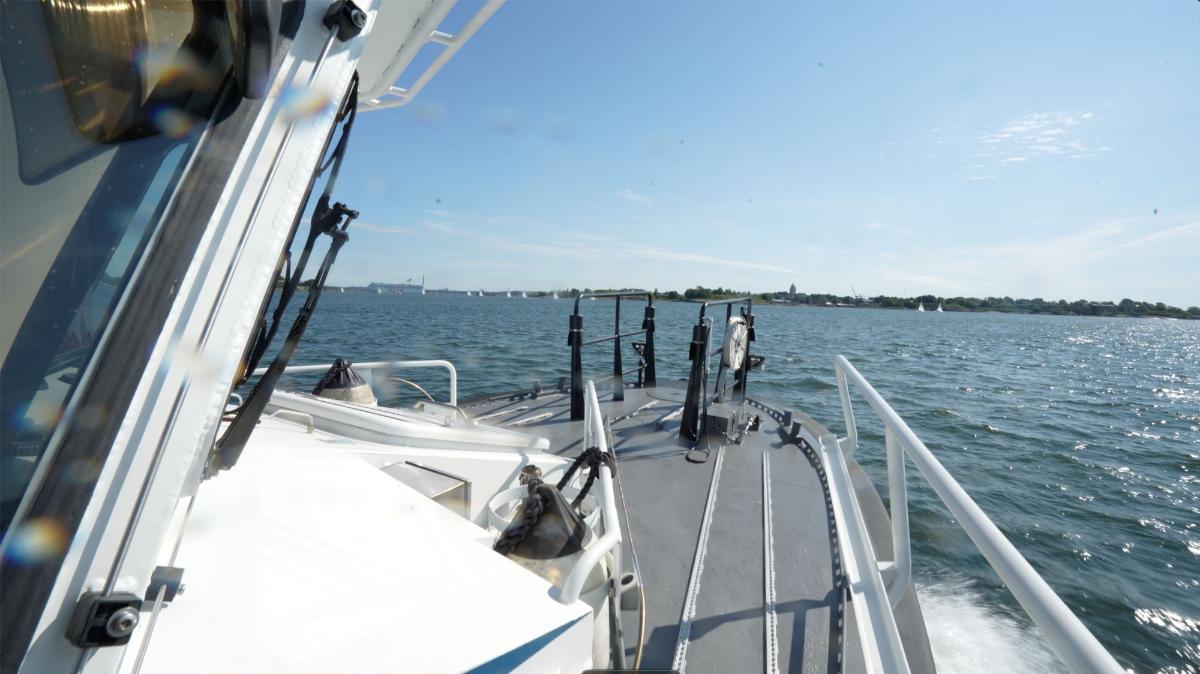
Avoid risks by being prepared. The three most important factors for boating safety are ensuring the vessel’s seaworthiness, a captain that knows their vessel and their responsibility, as well as correctly worn life jackets.
The Finnish Border Guard is in charge of maritime search and rescue. To support boating safety, we gather information and provide advice.
In recent years, the most typical challenges of boaters have been machine failure, running out of fuel, as well as lacking equipment. By following our advice, you can avoid challenges at sea and know how to call for help.
Before setting out to the sea
Check your vessel’s equipment and seaworthiness. Carry out departure checks always before departure. It is an effective way to prevent the boat trip from being interrupted and the situation possibly developing into an accident.
Safety equipment to have on board:
- Oars, paddle or anchor with ropes, drainage device.
- Approved life jackets for each person on board. Keep in mind that, in an emergency, life jackets can only help you if they are being worn.
- Nautical chart for navigation. In areas where GNSS jamming has been observed, it is wise to have the traditional navigation aids, that is to say, nautical chart and compass, with you.
- Sufficient amount of fuel and extra fuel. Check and ensure that the motor functions correctly.
- Functioning communication devices and power or a spare battery.
Check the weather forecast and plan your route
Check the weather forecast. Tell your planned route to your family or friends and let them know if it changes. In addition, tell them how to identify your boat.
If you are in distress at sea
If you are in distress, you can always call the maritime search and rescue alarm number 0294 1000 or the European emergency phone number 112.
In certain situations, it is good to know which actions you should undertake immediately, should your boat be about to sink, for instance. When you notice signs indicating that your boat is about to capsize or sink, call for help and follow the following instructions.
- If your boat risks capsizing, call for help, put on your life jacket and proceed to the outer deck.
- It can be difficult to exit the boat if you are inside the boat when it sinks. Furthermore, a life jacket that goes off inside the boat may make it even more difficult to exit the vessel.
- Do not stay to rescue any belongings, if there is a risk that the boat sinks.
- Acquaint yourself with your boat’s emergency exits in advance and make sure there are no hinders before them.
Our recommendations
The Finnish Border Guard recommends that life jackets are always worn when travelling by boat. Remember to observe your position continuedly and watch other waterborne traffic. Being sober helps to ensure a safer journey.
Emergency number for maritime search and rescue services
0294 1000
European emergency number
112
More tips for safe boating
Guidelines for people on the waterborne traffic | Finnish Border Guard
Instructions for boaters – departure checks, among others Instructions for boaters | Finnish Border Guard
If the boat loses its stability, how to exit the boat? (YouTube link) Video in Finnish.


