EMSA aircraft supports maritime situational awareness during the summer
The Finnish Border Guard has received the European Maritime Safety Agency's EMSA unmanned aircraft system for operational use during the summer. EMSA supports the Finnish Border Guard in maritime coast guard functions. The Border Guard is using the service to support its maritime operations for the seventh time. The service is free of charge to support European border and maritime security.
EMSA's unmanned aircraft, RPAS (Remotely Piloted Aircraft Systems), supports the Finnish Border Guard in maritime coast guard functions. Coast guard functions are a European broad concept that includes border control in the maritime area, maritime safety, maritime security, maritime search and rescue, fisheries control, customs control, law enforcement at sea and protection of the marine environment. The surveillance and performance of the unmanned aircraft system is utilized either by the Finnish Border Guard directly or in support of other authorities.
The focus of the operations is on the aforementioned coast guard operations in the Northern Baltic Sea, mainly outside the archipelago. The Coast Guards plan flights as part of their own operational activities. The Command Centre of Western Finland Coast Guard manages the flights carried out in Finnish airspace. The flights are carried out from June until autumn.
– Unmanned aviation has been part of the Border Guard's operations for several years. An RPAS of this size also offers a wide operating range on the open sea and improves our situational picture of the maritime area. The flights complement our patrolling at sea, which we do with boats, vessels, helicopters and surveillance aircrafts, says border security expert Lt. Commander Pekka Parkkali from the Border Guard's headquarters.
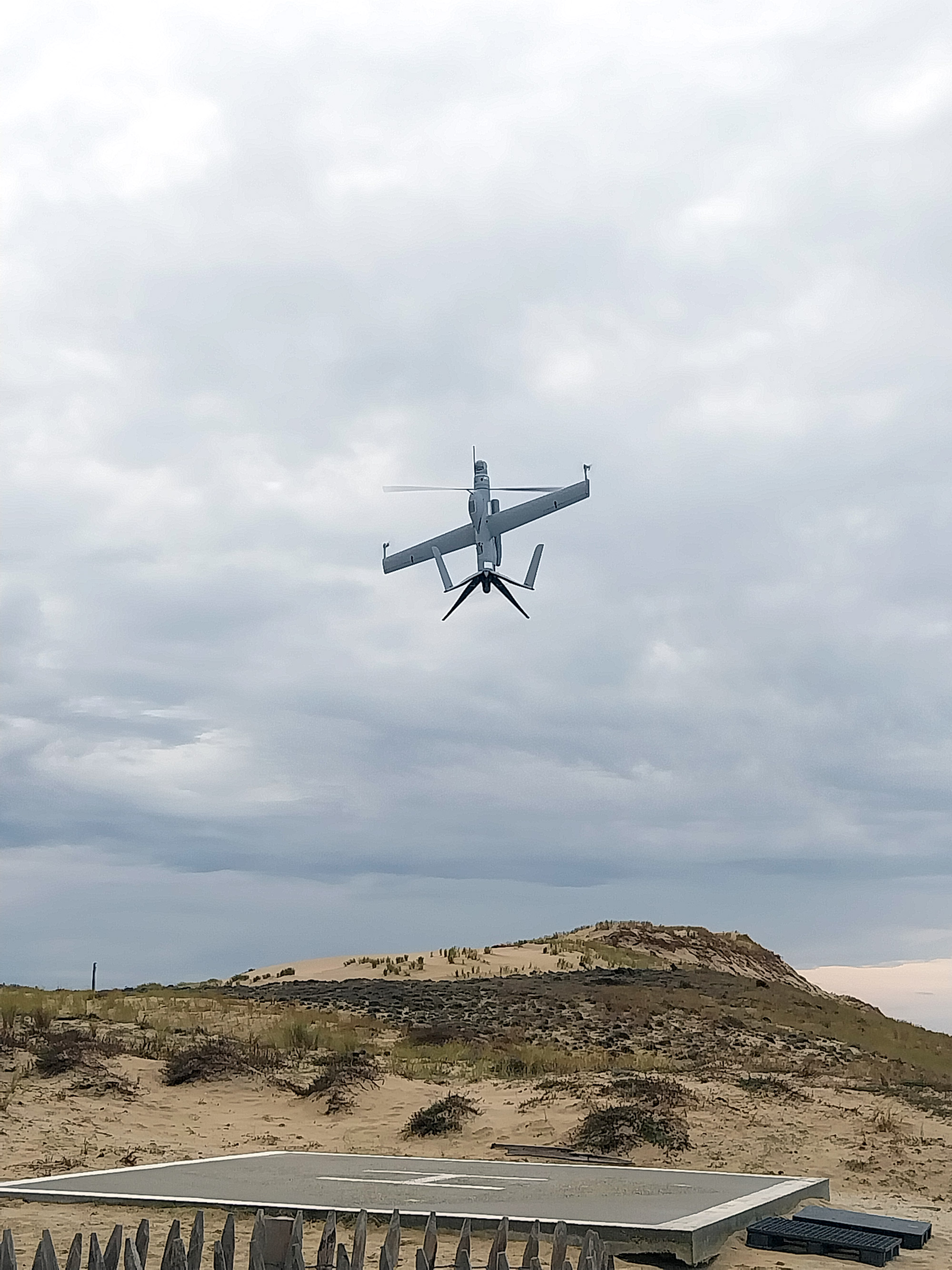
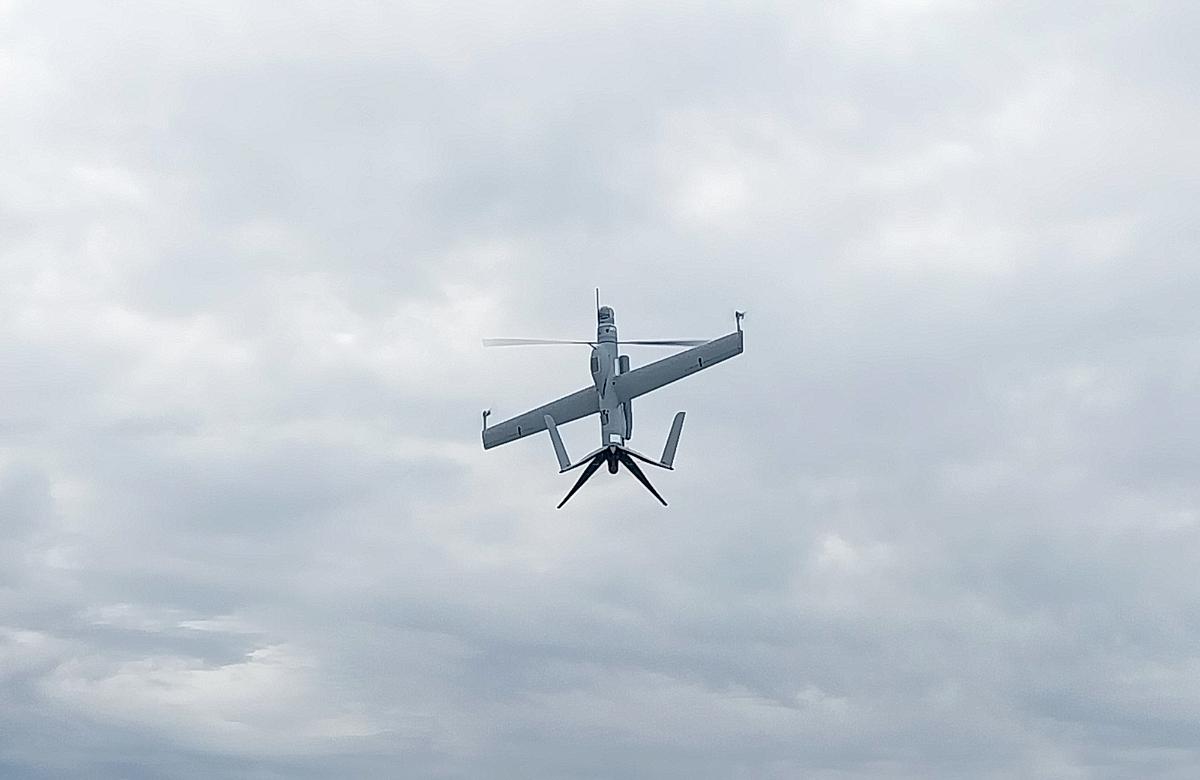
The contract supplier for RPAS flight operations is Airbus Helicopters and the flights are carried out using a Flexrotor aircraft. The remotely piloted aircraft is fixed-wing and can operate in the air for several hours over a wide operating range. The aircraft is a so-called VTOL (Vertical Take-Off and Landing) device, meaning it is capable of taking off and landing vertically using a rotor.
The operation improves situational awareness
The objective of the operation is to increase the Border Guard's performance in border and maritime safety and security tasks among other coast guard functions by utilizing EMSA's resources in the Finnish maritime area, coast and archipelago. The operation will help to maintain a better situational understanding of the sea areas. In addition to surveillance tasks, the aim is to uncover, for example, possible illegal oil spills from ships and cross-border crime and, if necessary, to support maritime rescue tasks.
In addition to Finland, Estonia and Latvia will participate in this year's operation. The RPAS system base is located in Estonia, on Saaremaa, from where take-off and landing will take place. A base has been established in Finland, which also enables operations in the Archipelago Sea area.
Flexrotor:
- Wingspan 3 m
- Length 2 m
- Maximum takeoff weight approx. 28 kg
- Flight time over 10 hours
- Flight altitude approx. 1-3 km