Baltic Sea countries trained maritime border surveillance cooperation in Latvia
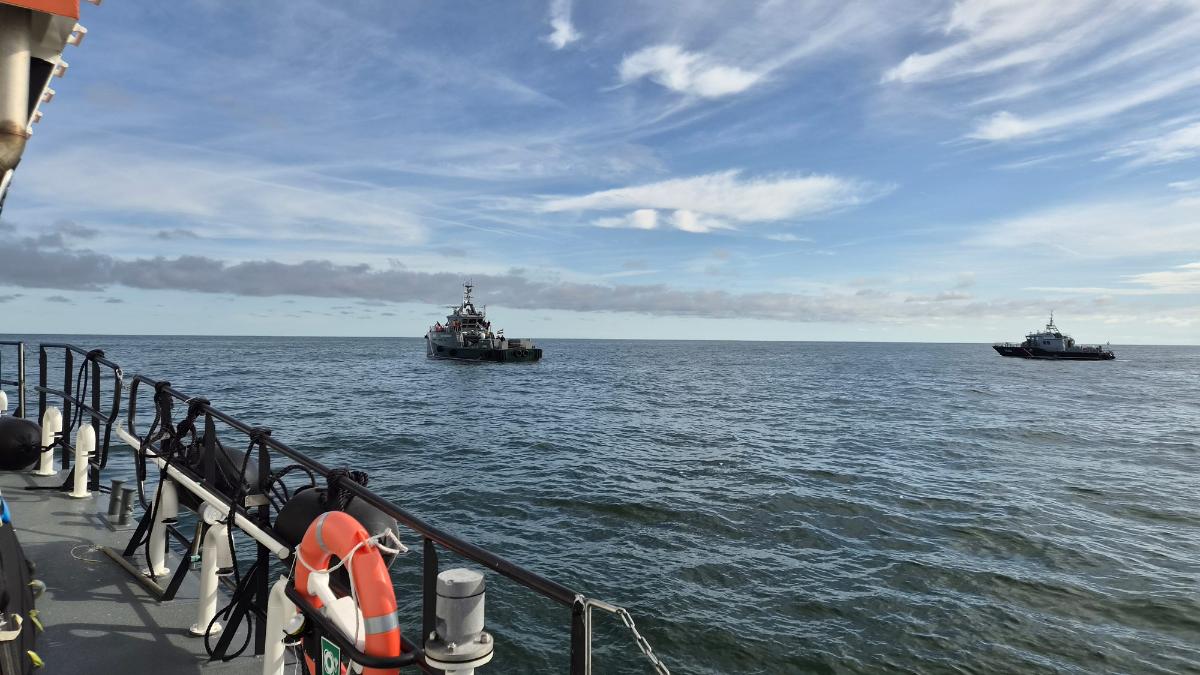
Latvian State Border Guard arranged Baltic Sea Region Border Control Cooperation Experts Meeting for maritime surveillance specialists of the member states, as well as a multipurpose maritime exercise, RONIS 2026, in Ventspils, Latvia, between 30 June and 2 July.
Specialists from Finland, Latvia, Lithuania, Estonia, Germany, Norway, Poland, Frontex and EMSA participated in the experts meeting. The Finnish Border Guard was represented by Commander Ilja Iljin together with Lieutenant, Senior Grade Nico Mäkelä.
To be more specific, the Border Guard participated in the RONIS 2026 exercise within the framework of Multipurpose Maritime Operation with Coastal Patrol Vessel 92, manned in two shifts as joint effort of both coast guard districts. In addition to Finland, also Latvia and Lithuania participated in the exercise with boat material.
Baltic Sea Region Border Control Cooperation (BSRBCC Sea Border Surveillance) Experts Meeting discussed, inter alia
- the use of unmanned surface vessels and unmanned air craft (drones) in border surveillance
- protection of critical subsea infrastructure
- utilising the assistance provided by EMSA and Frontex.
Furthermore, the aim of the experts meeting was also to further competence development, as well as to network with the specialists in maritime border surveillance from the other participating countries.
The RONIS exercise consisted of four parts with following themes:
- Detention of a suspicious vessel, boarding, carrying out a vessel inspection and apprehension
- Carrying out a search and rescue mission, acting as On-Scene Co-Ordinator, search measures on surface vessels, saving humans from water and from life raft
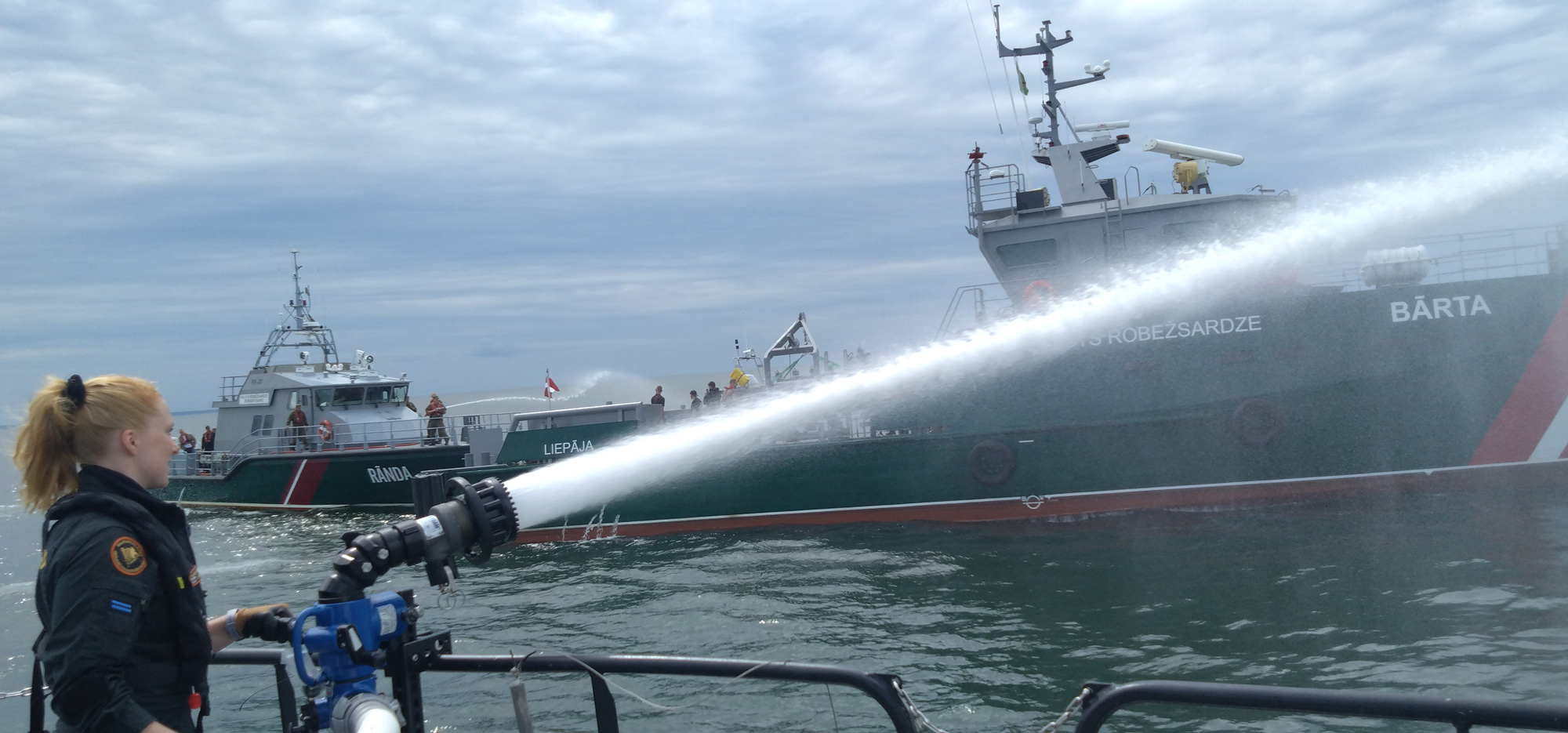
- Fire protection, assisting a vessel in distress and assisting in fire protection
- Emergency towing exercise.
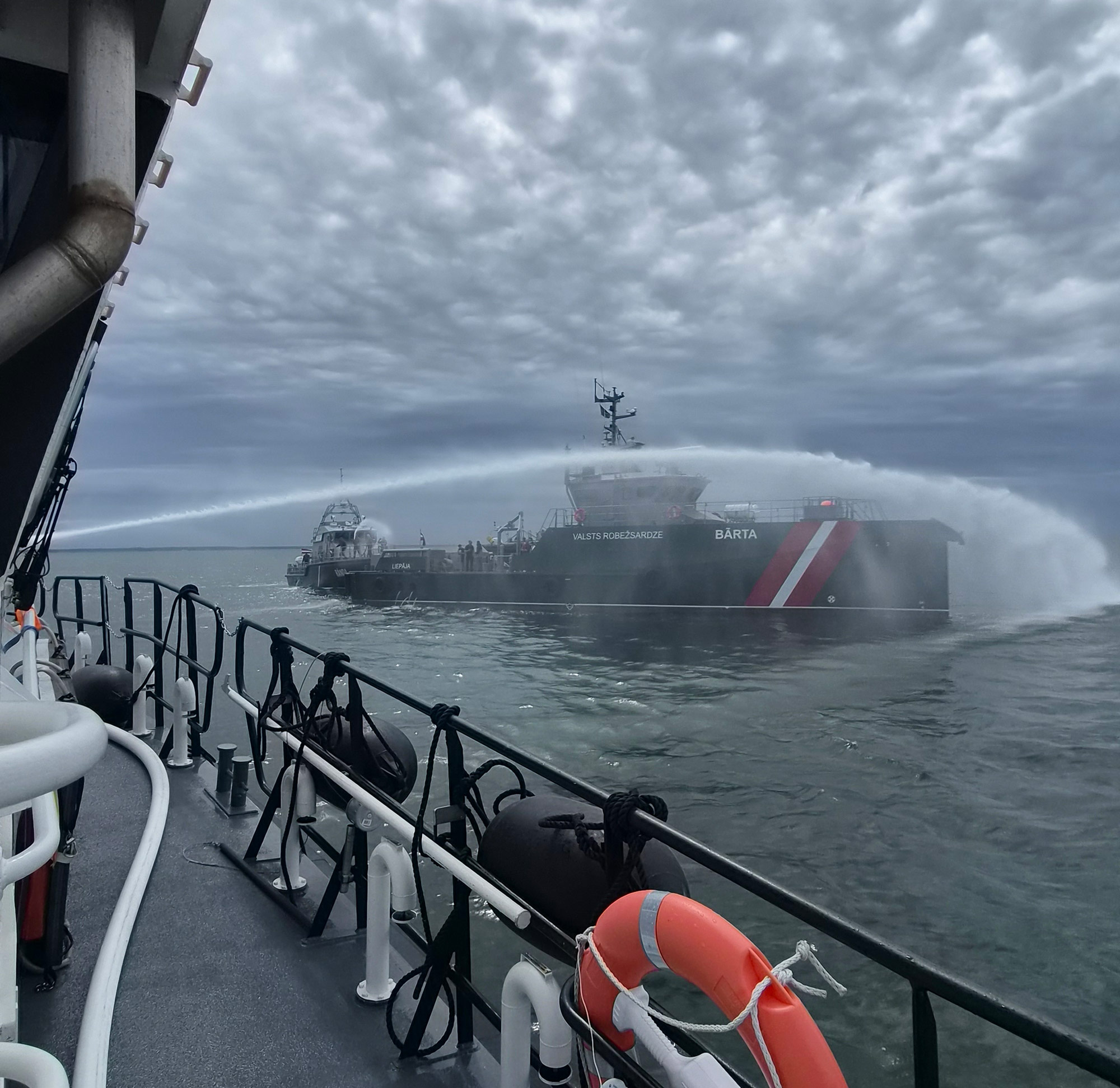
The aim of the exercise was, inter alia, to further the development of operative competence, to share and learn best practises, as well as to learn international cooperation practises.
Cooperation with the representatives of the other participating countries was excellent, both during the exercise and in the experts meeting. It was highly informative to compare operational measures, as well as identified strengths and challenges, with different systems and, on the other hand, with similar operational fields with the other participants.


