Border security and maritime safety – Technical monitoring and readiness
The Border Guard has regulated its readiness and transferred personnel from border checks to border control duties. The readiness to combat different threats at sea is high.
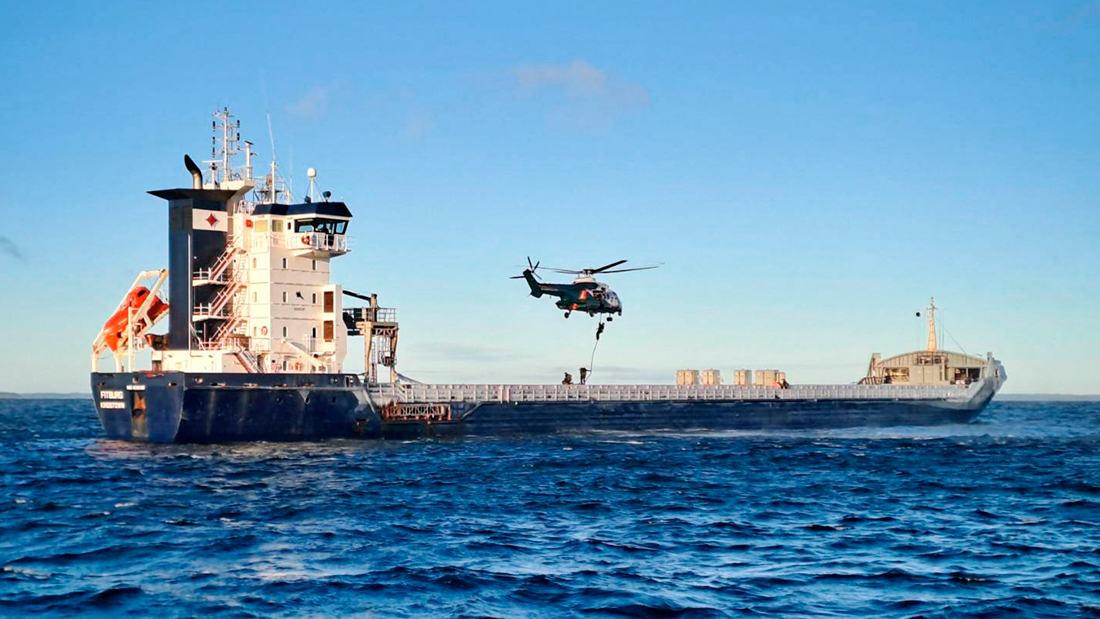
The Border Guard’s surveillance of the external borders has become more efficient as the technical monitoring and the eastern border fence have proceeded. Mobile surveillance enables us to transfer our operations in a flexible manner to where surveillance is required. We have practised and trained both control and combatting instrumentalised and irregular migration, also in cooperation with other authorities.
The risk of damage to subsea critical infrastructure is still high. The latest cable damage took place on the last day of 2025. The Border Guard leads the IMS project (Integrated Surveillance Mechanism) within the Baltic Sea region. This project is based on an EU communication of protection of subsea infrastructure. This project enhances information exchange and develops maritime safety risk analysis. Member States will place their operational centres within existing management structures. The Baltic Sea ISM states develop operative capabilities together.
Due to the shadow fleet, the risk of a serious accident and maritime pollution is high. These risks have been responded to by developing material and by training. The new offshore patrol vessels, currently under construction, as well as the cooperation with Arctia improve the oil skimming ability in the high seas. Oil skimmers for winter conditions have been procured to the offshore patrol vessels for oil response. We train in close cooperation both in Finland and with our neighbouring countries.
Extensive and long-term GNSS jamming at sea have increased the risk for accidents, and have also affected our operations and methods.